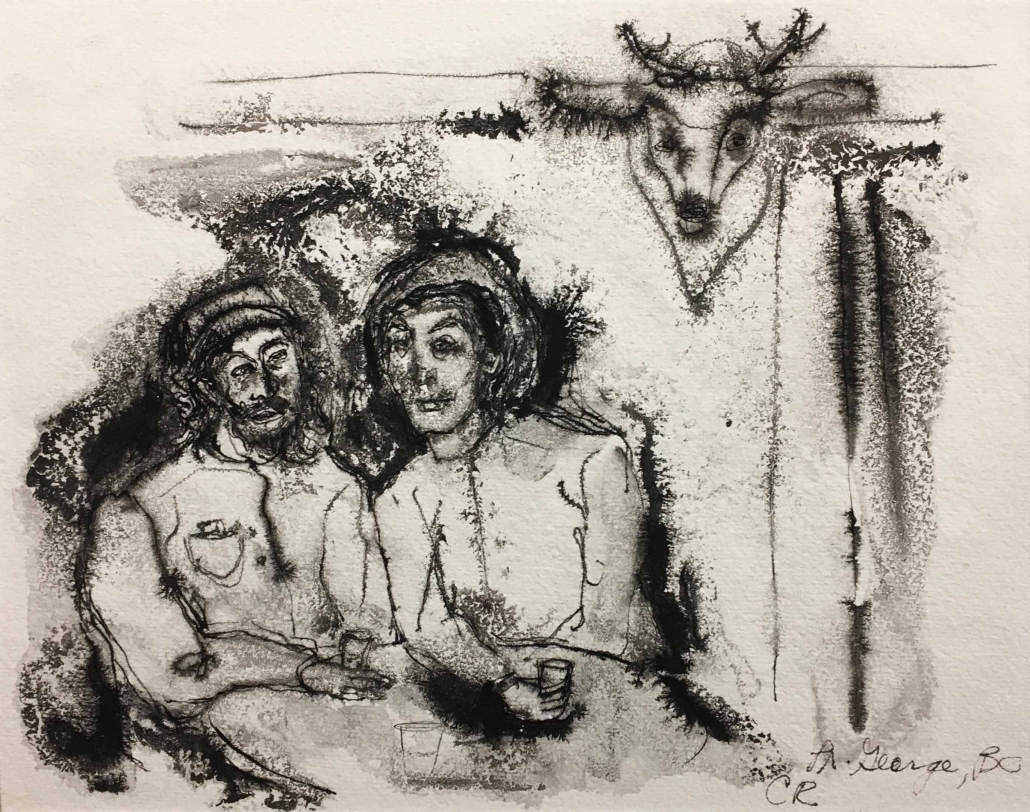
Clifford Robinson
Cliff Robinson, born in Bassano, Alberta, received a scholarship to study at the Provincial Institute of Technology and Art, where he was greatly influenced by esteemed instructors such as Walter Phillips, Henry Glyde, A.C. Leighton, and A.Y. Jackson. At just 26, he was elected to the Society of Canadian Painters and Etchers and later became a member of the Canadian Society of Graphic Artists, the Federation of Artists, the Alberta Society of Artists, and the Calgary Group.
During World War II, Robinson taught at the Canadian School of Camouflage in Vancouver before heading to the Banff School of Fine Arts, where he taught Theatre Design from 1947 to 1948. His career as an educator continued when he became UBC’s first traveling instructor in Art and Design in 1949, which included teaching summer school at Notre Dame University in Nelson, BC. Robinson went on to teach at the Vancouver School of Fine Art, followed by a five-year tenure as Director of TV Design for CBC-TV in Vancouver, which culminated in him serving as Set Director for the first Vancouver International Festival.
In the early 1960s, Robinson moved to the Greek island of Hydra, where he established a studio. However, his property was expropriated during the Papandreou era, prompting his return to Calgary, where he set up a new studio.
Cliff’s uncle, Archie Goodwin, was a CP Rail station agent in Morley, just east of Canmore, Alberta. Cliff spent many summers there, sketching and later painting oil works. His active sketching earned him the Stoney name “Wah-Gah” (Grasshopper). While at UBC, Robinson also created a series of offset plates used to illustrate the periodical Indian Times, which had a West Coast theme.
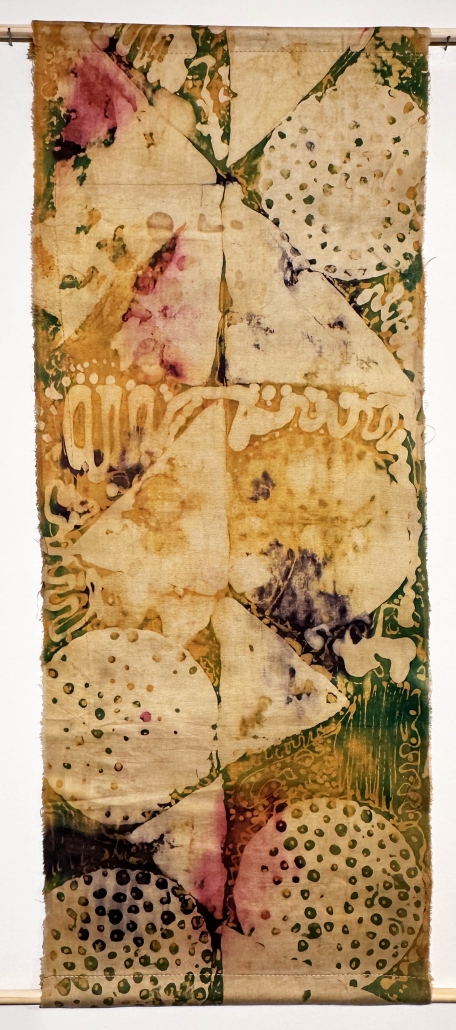
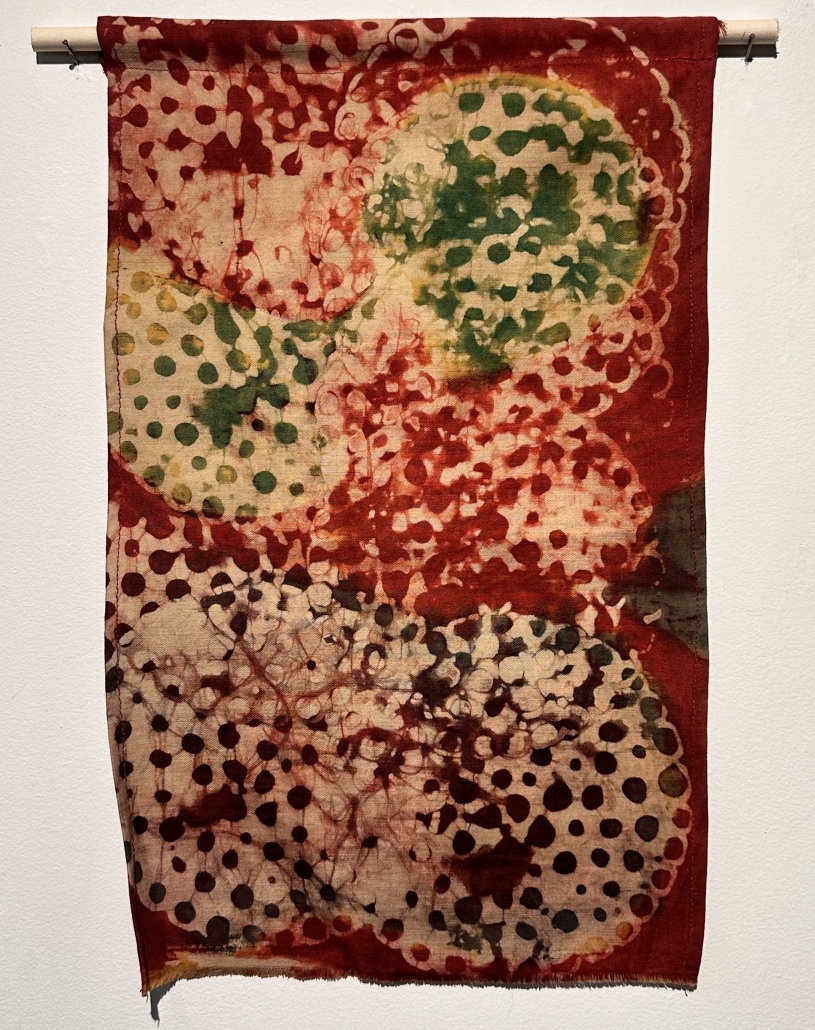
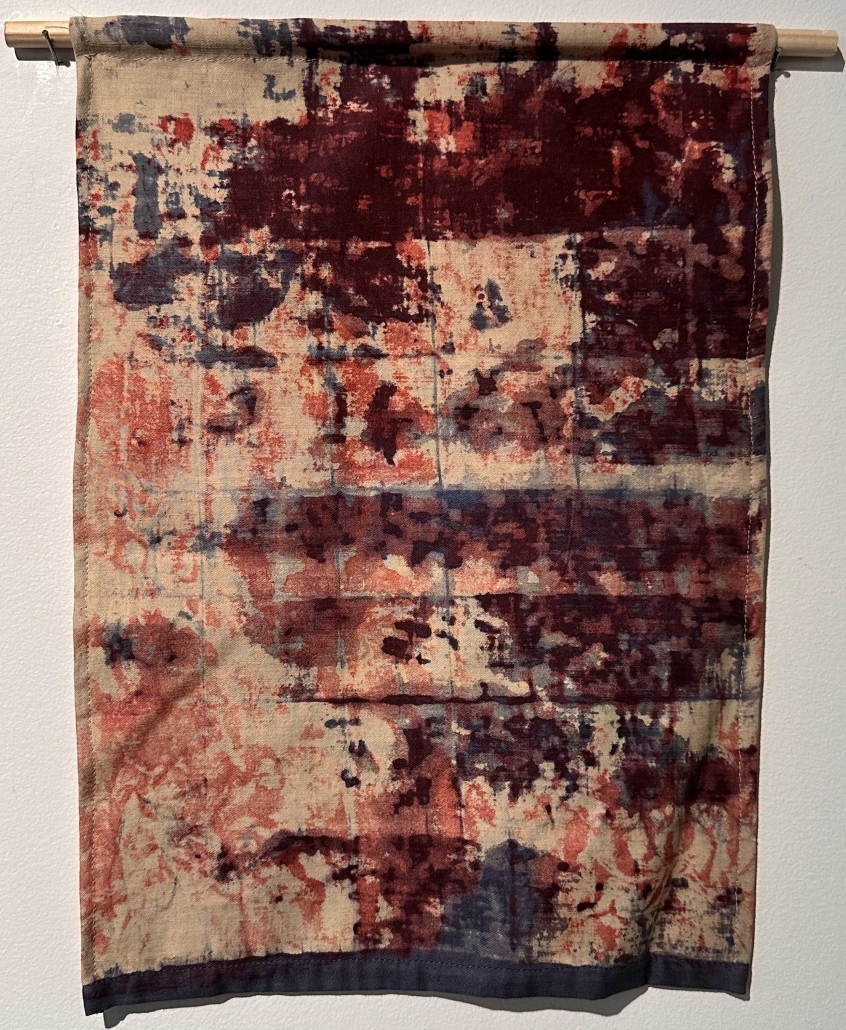
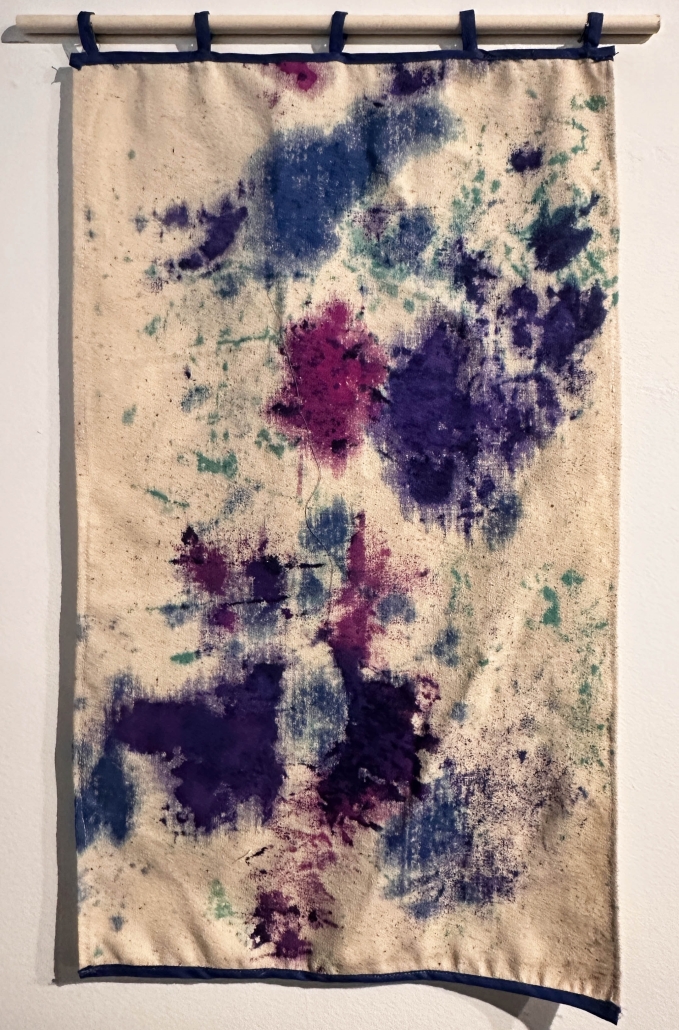
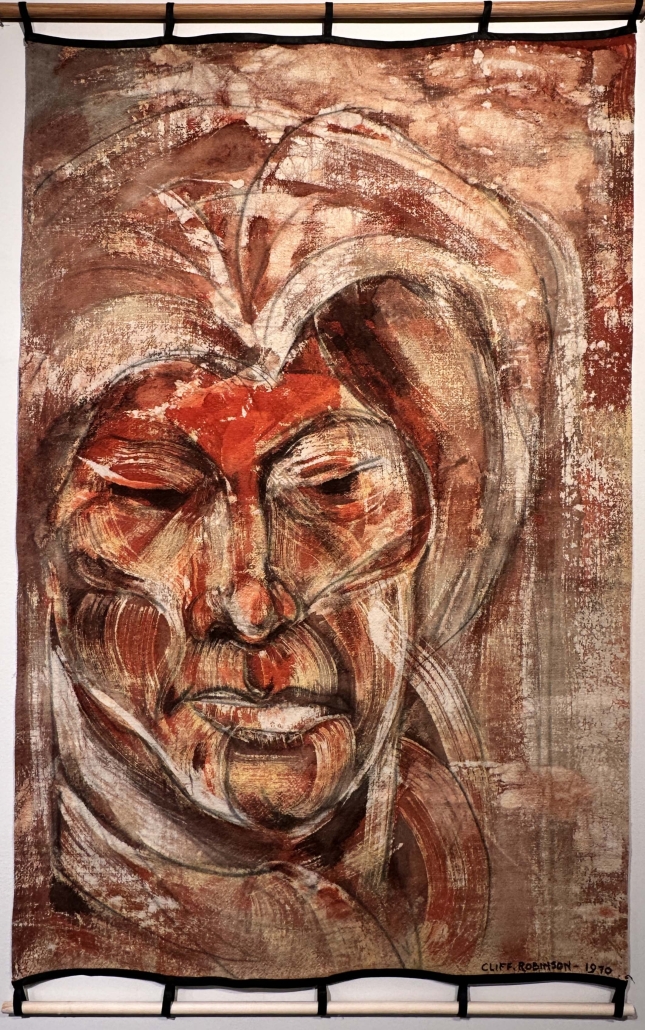
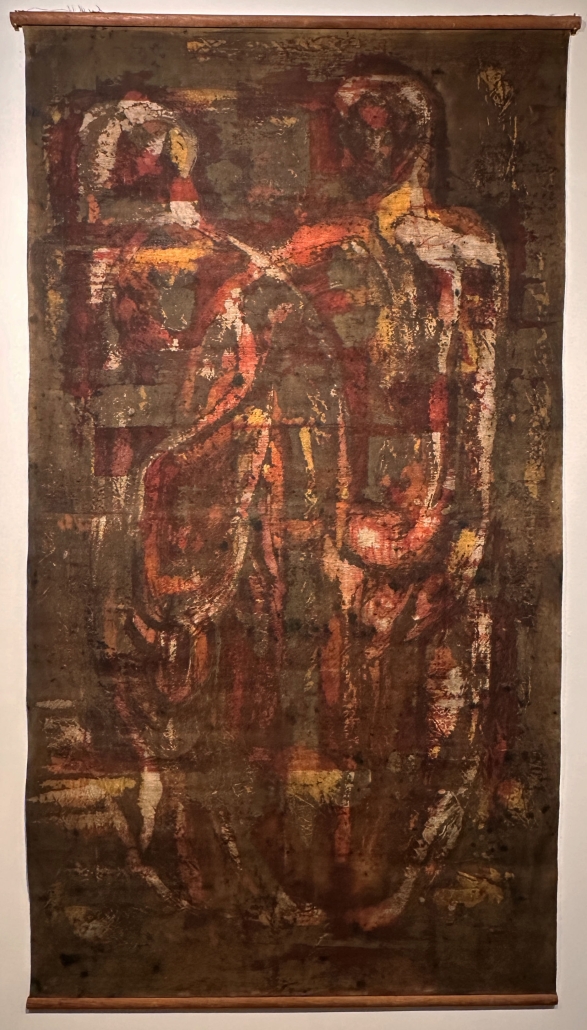
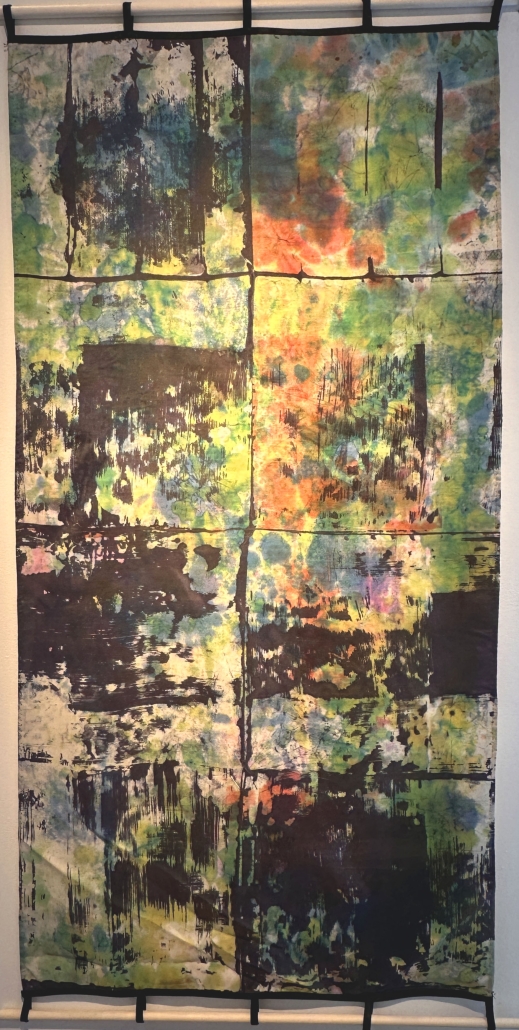
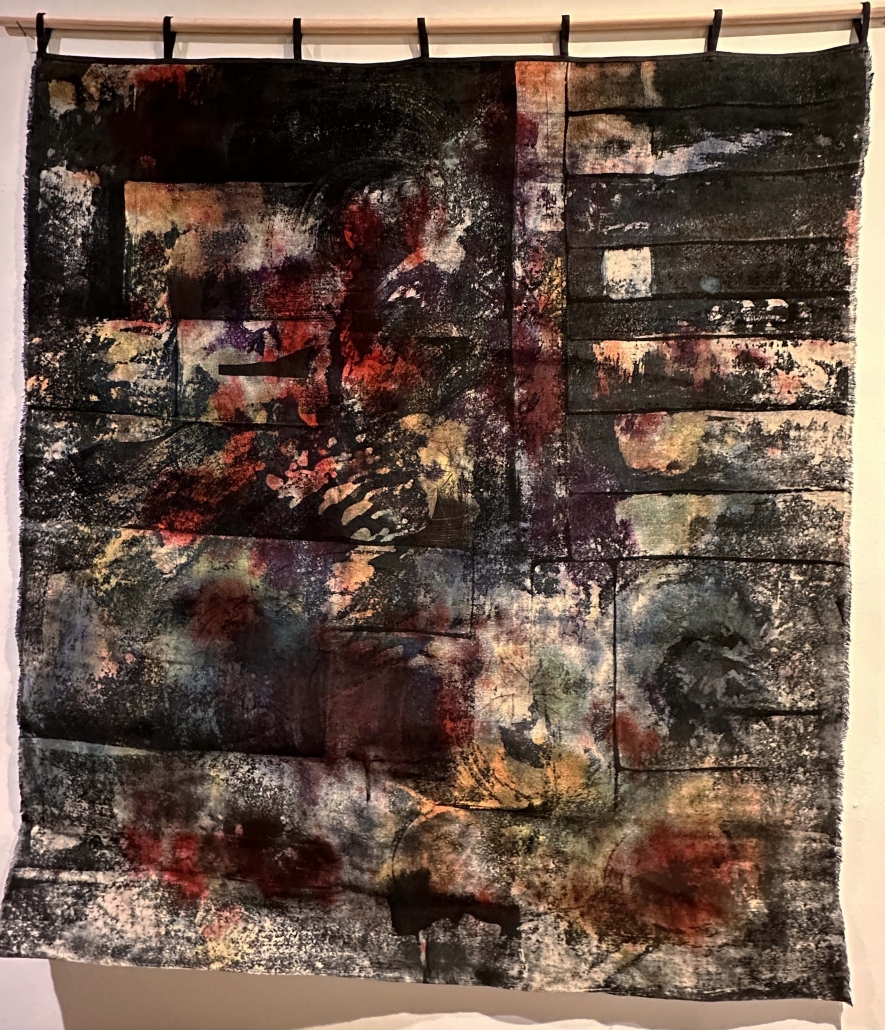
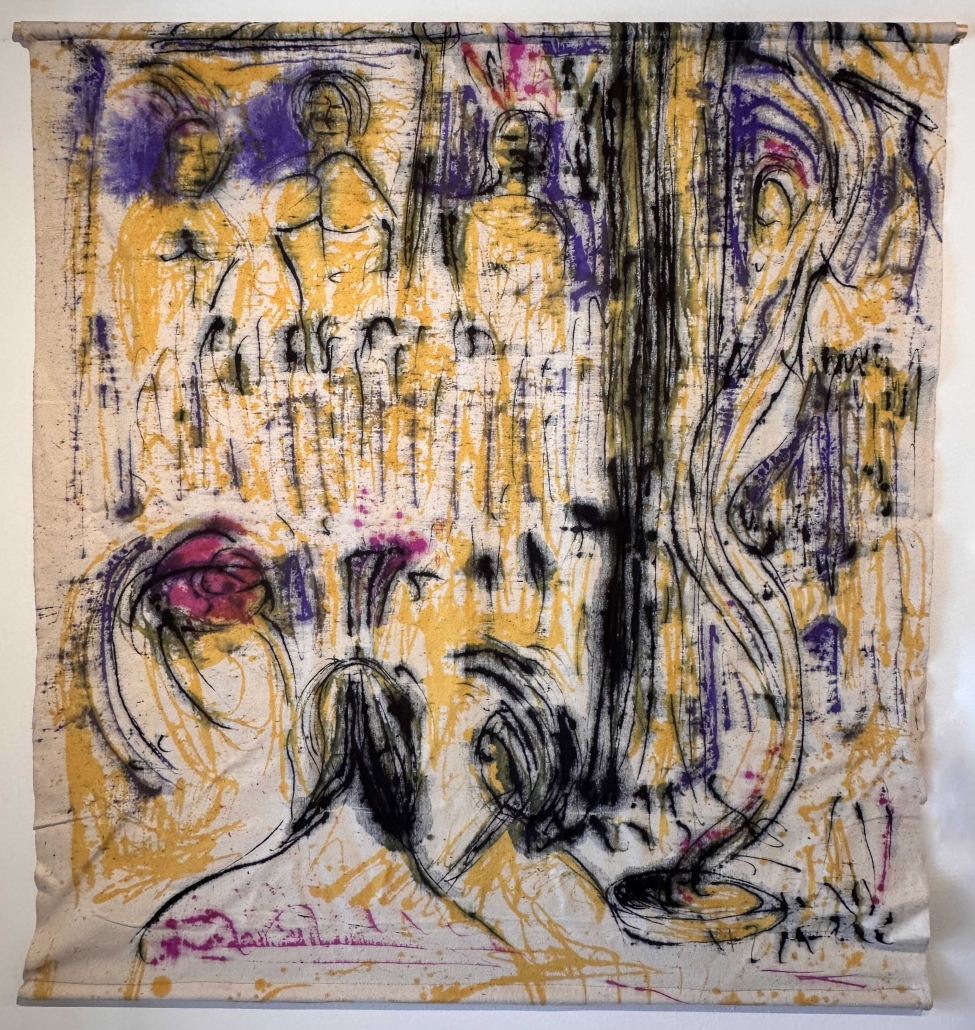
Renowned for his lino prints, Robinson produced around 75 distinct images, with his iconic “Alberta Scene” or “Alberta Rural” print standing as a testament to his intricate artistry. His teacher, Walter Phillips, is said to have inspired the creation of these complex works. Author Nancy Townshend, in A History of Art in Alberta 1905-1970, cites a Calgary Herald article (June 19, 1970) by Ann Van Den Hoogen, which recognized Robinson as “the foremost exponent of Batik in America.” His Batik works, known for their detailed compositions, were featured in exhibitions across Western Canada in the 1960s.
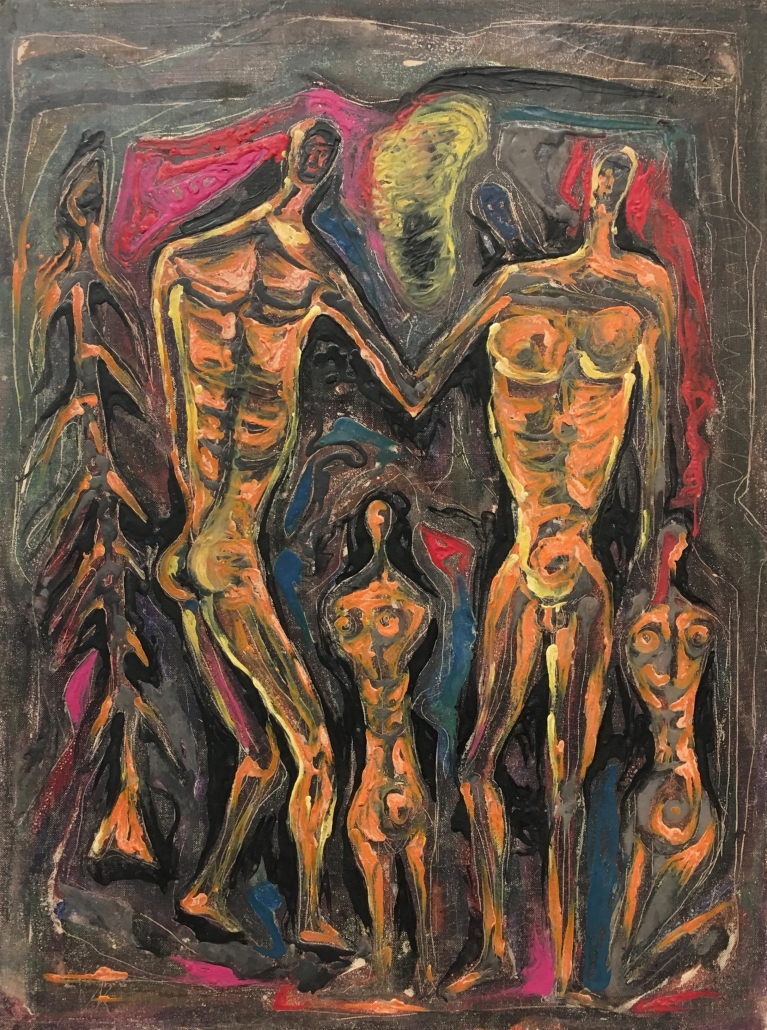
Robinson’s art is characterized by profound symbolism and emotional depth. His work often tells a visual story, weaving together complex relationships and evocative imagery. Throughout his career, Robinson’s versatility with various mediums, from lino prints to Batik, made it challenging for critics and audiences to categorize his work into a single style.
Robinson’s career was spent mainly between Alberta and British Columbia, with brief periods in Europe, and he remains a prominent figure in Canadian art for his wide-ranging contributions to the country’s artistic landscape.
Other Artists that might interest you