Frank Armington
(1876 – 1941)
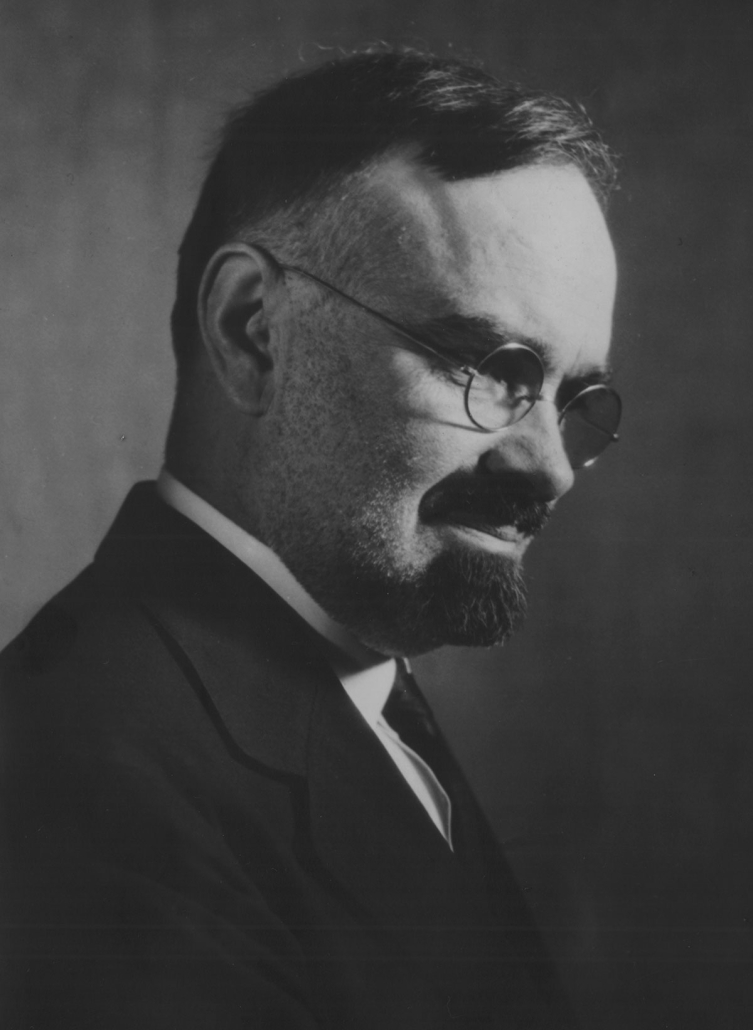
Frank Milton Armington, born in Fordwich, Ontario, began his artistic journey in 1892 under the mentorship of renowned portraitist J.W.L. Forster. Over the next seven years of study, he not only honed his skills but also met Caroline Wilkinson, the fellow artist who would later become his wife and creative partner.
In 1900, Frank made his first trip to Paris, enrolling at the prestigious Académie Julian. By 1903, he had returned to Canada, settling in Manitoba where he contributed significantly to the local art scene. As a founding member and inaugural Vice President of the Manitoba Society of Artists, he played a key role in shaping the region’s artistic identity. During his time in Winnipeg, Frank balanced his career between teaching, illustrating for the Winnipeg Tribune, and taking on commercial assignments. His work featured regularly at the Winnipeg Industrial Exhibitions between 1902 and 1905.
The pull of Paris eventually brought Frank and Caroline back to France in 1905, where he resumed studies at Académie Julian and also took courses at the Académie de la Grande Chaumière. His paintings began gaining recognition, with a notable acceptance into the Salon d’Automne—a platform he would return to multiple times over the years.
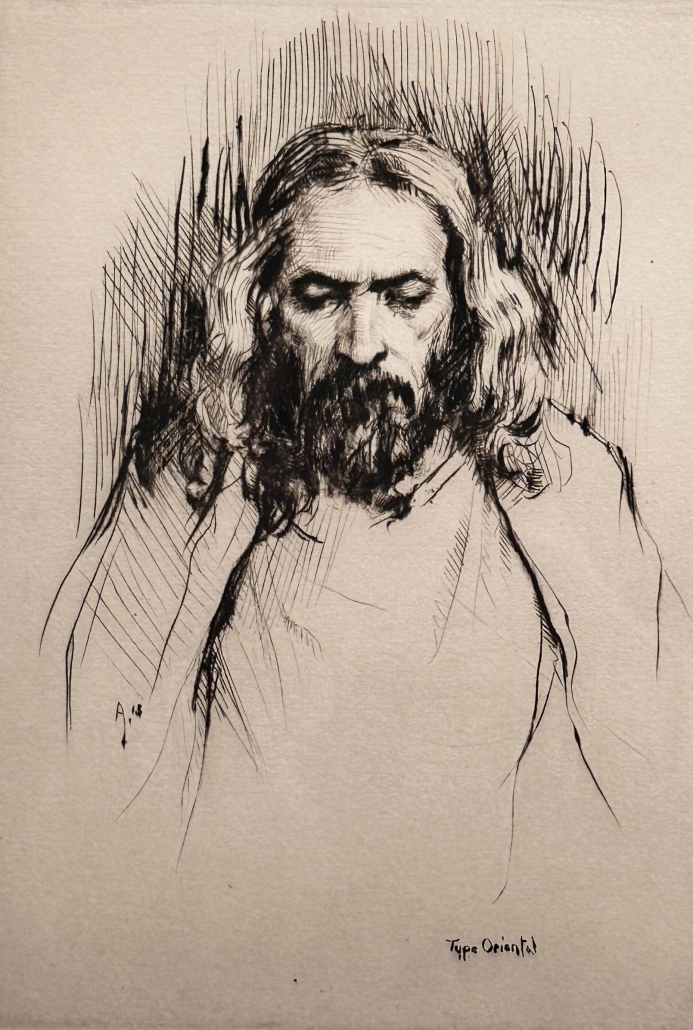
In 1906, Frank delved into the world of etching, learning the technique from a fellow student. He and Caroline both quickly mastered the medium. By 1910, the National Gallery of Canada had acquired several of his etchings, a testament to his growing reputation. This early recognition was followed by a significant acquisition by the Library of Congress in 1928, which purchased fourteen of his etchings, including seven nudes. The following year, he and Caroline presented a joint exhibition at the Art Gallery of Toronto (now the Art Gallery of Ontario).
Throughout his career, Frank produced an impressive range of work—not just in printmaking but also in painting, capturing landscapes, portraits, and city scenes with skill and sensitivity. Paris remained the couple’s creative base for nearly forty years, from where they journeyed extensively across Europe and North Africa. Their travels—through France, Belgium, England, Italy, Sweden, and Algeria—greatly influenced their art.
After Caroline’s passing in 1939, Frank relocated to New York, where he spent the final years of his life. His and Caroline’s legacy endures through their evocative etchings and paintings, many of which reside in the permanent collections of some of the world’s most prestigious institutions, including the National Gallery of Canada, Art Gallery of Ontario, Glenbow Museum, Library of Congress, National Gallery of Art, The Met, Museum of Fine Arts Boston, British Museum, the Louvre, and others.
Other Artists that might interest you